

The scrum process flow is a widely used agile methodology for managing product development. It’s a framework that promotes teamwork, transparency, and effective communication. In this article, we will look at the scrum process flow and the steps involved in adopting it.
Introduction to Scrum Process Flow
Scrum process flow is a framework for agile project management that aids in the development, delivery and maintenance of complex software products. It differs from traditional project management processes as it focuses on delivering quality software in small increments within short cycles.
Scrum Process Roles
The scrum process flow has three important roles: the product owner, the scrum master, and the development team. These roles work together to ensure that the project is on track, and everyone involved has the information, resources, and support they need.
Scrum Process Artifacts
In scrum process flow, the artifacts refer to the work and value that the team produces. There are four main scrum process artifacts: product backlog, sprint backlog, product increment, and burn-down chart. Understanding these artifacts is vital to the scrum process flow.
Scrum Process Pre-Planning
Scrum pre-planning is crucial in ensuring successful project implementation. During the pre-planning phase, the team should focus on identifying the project goals, defining the product backlog and determining the sprint cycle duration.
Scrum Process Sprint Planning
Sprint planning is when the team comes together to discuss what they plan to achieve during the upcoming sprint. Meetings are usually held to define the sprint goal, and team members are assigned specific tasks.
Scrum Process Sprint Execution
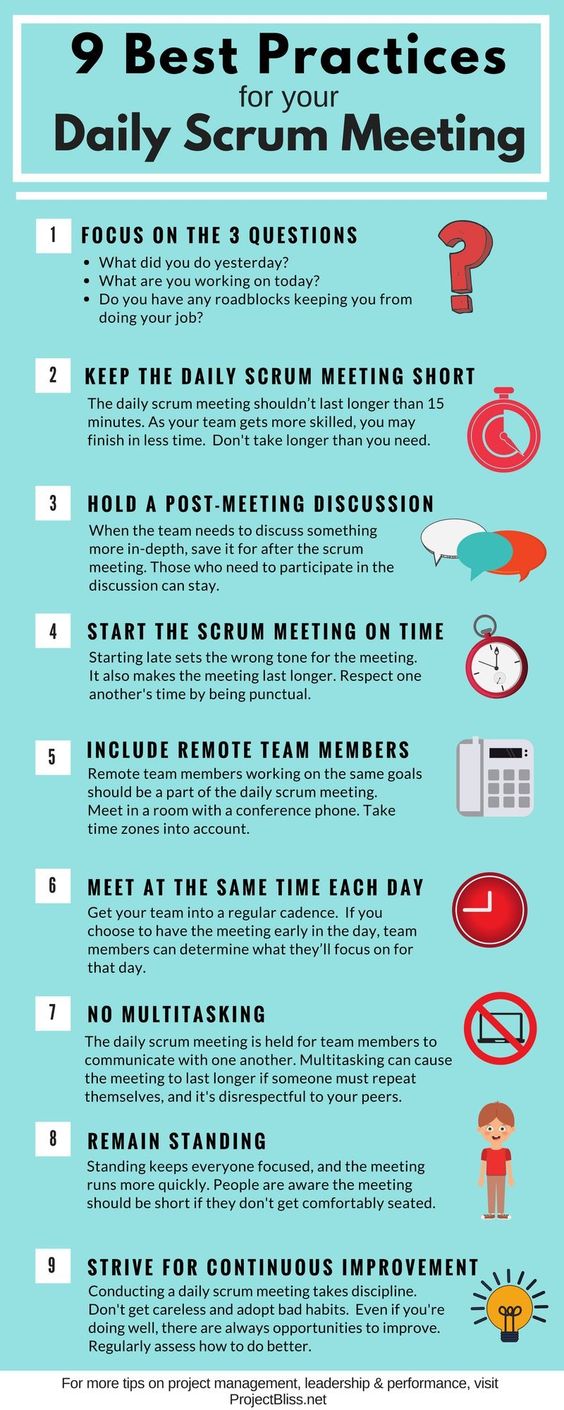
During the sprint execution, each team member works on their assigned tasks, updating the sprint backlog as they progress. Daily stand-up meetings are conducted to ensure that everyone is on the same page and to identify roadblocks and risks.
Scrum Process Sprint Review
The sprint review marks the end of each sprint cycle, where the team demonstrates the completed work to stakeholders. Feedback is provided by stakeholders to ensure that the product is on the right track.
Scrum Process Sprint Retrospective
The sprint retrospective is a team activity that aims to identify what worked well and what needs improvement during the sprint. This is essential in ensuring that the entire project progresses smoothly, and the feedback is used to improve future sprints.
You might find these FREE courses useful
- Combining Scrum with Other Agile Methodologies
- Introduction to Scrum Master Training
- Scrum Team Building Using Games and Interactive Tools
- What Is a Scrum Master (and How Do I Become One)?
Conclusion
Scrum process flow is a valuable framework for agile project management. The successful implementation of the scrum process relies on roles, artifacts, pre-planning, sprint planning, sprint execution, sprint review, and sprint retrospective. By adopting this methodology, teams can achieve their goals and deliver quality software in shorter timelines.