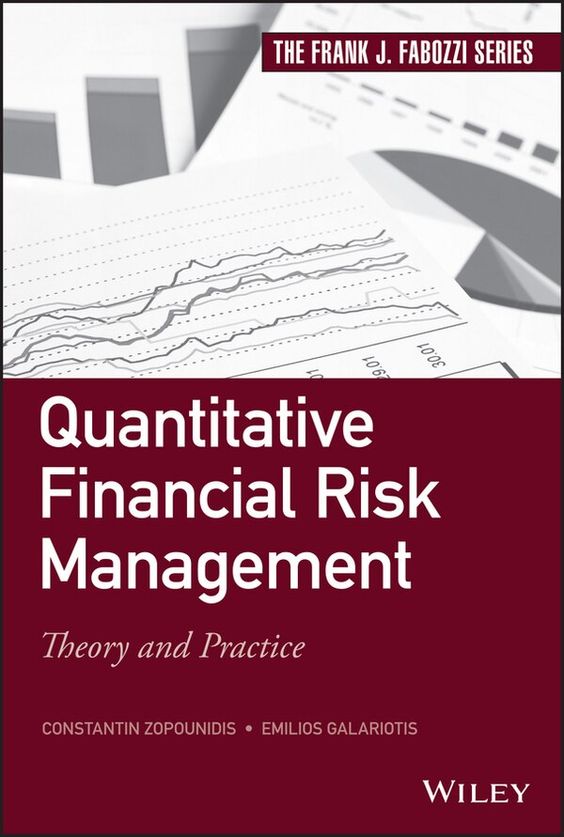

Financial risk management is the practice of using financial instruments to manage exposure to risk, particularly credit risk and market risk. Financial risk management involves identifying, measuring, and managing risk. It is a process that involves assessing, controlling, monitoring, and reporting risk.
Identifying Risk
The first step in financial risk management is to identify the risks that are present in the financial system. This includes identifying the sources of risk, the types of risks, and the potential impacts of those risks.
Measuring Risk
Once the risks have been identified, the next step is to measure them. This involves assessing the likelihood of the risks occurring and the potential impacts of those risks.
Managing Risk
Once the risks have been identified and measured, the next step is to manage them. This involves developing strategies to mitigate the risks and developing policies and procedures to ensure that the risks are managed effectively.
Monitoring Risk
Once the risks have been managed, the next step is to monitor them. This involves regularly assessing the risks to ensure that they are being managed effectively and that any changes in the financial system are being monitored.
Reporting Risk
Once the risks have been monitored, the next step is to report on them. This involves providing regular reports to stakeholders on the status of the risks and any changes that have been made to manage them.
Risk Mitigation Strategies
Once the risks have been identified, measured, managed, and monitored, the next step is to develop strategies to mitigate them. This involves developing strategies to reduce the likelihood of the risks occurring and the potential impacts of those risks.
Risk Management Policies and Procedures
Once the risks have been identified, measured, managed, monitored, and reported on, the next step is to develop policies and procedures to ensure that the risks are managed effectively. This involves developing policies and procedures to ensure that the risks are managed in accordance with best practices and that any changes in the financial system are monitored.
You might find these FREE courses useful
- Financial Risk Management with R
- Introduction to Financial Engineering and Risk
- Financial Engineering and Risk Management
- إتقان الإدارة المالية | Mastering Financial Management
- Risk Management in Personal Finance
- Market Risk Management: Frameworks & Strategies
- Credit Risk Management: Frameworks and Strategies
- Financial Management Specialization
Risk Management Tools
Once the risks have been identified, measured, managed, monitored, reported on, and policies and procedures have been developed, the next step is to use tools to manage the risks. This involves using tools such as financial modeling, portfolio optimization, and financial simulation to help manage the risks.

