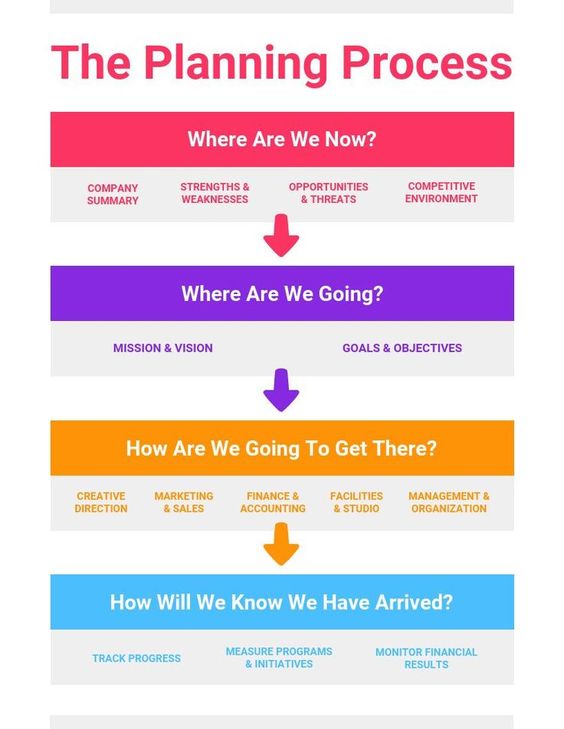

If you’re tackling a new project, whether it’s a solo venture or requires a whole team, proper planning is crucial to its success. Without a plan, you risk missing important details and failing to accomplish your goals. Here’s a step-by-step guide on how to do project planning.
Define Your Project Goals
Before you dive into a project, it’s essential to understand what you’re trying to achieve. Define specific goals that outline what you want to accomplish. Your goals should be clear, achievable, and measurable.
Identify Your Stakeholders
Identify the people or groups that have an interest in your project’s outcome. Stakeholders can include team members, customers, managers, and suppliers. Understanding their needs and requirements can help avoid miscommunication and ensure your project meets everyone’s expectations.
Create a Project Scope
A project scope outlines the boundaries of your project. It should define what’s included and excluded from your project, as well as any constraints, challenges, and risks you might face.
Formulate a Project Timeline
A project timeline should identify every essential task, milestone, and deliverable needed to complete your project. This timeline will help you stay on track and ensure that the project stays within budget and meets deadlines.
Allocate Resources
Assign resources, including personnel, materials, and budget, to each task in your project plan. This will help you handle any resource shortages before they become serious problems.
Develop a Communication Plan
Communication is critical in any project. Develop a communication plan that outlines how you will communicate with stakeholders, including status reports, progress updates, and issue tracking.
Create a Budget
Create a budget for your project that outlines how you’ll allocate your resources to meet your project goals. Your budget should account for personnel, equipment, and any other resources you’ll need.
You might find these FREE courses useful
- Project Planning
- Project Planning and Execution
- Project Planning and Machine Learning
- Top Project Management: Life Cycle And Project
- Project Management: Life cycle and project planning
- Fundamentals of Project Planning and Management
- Project Planning: Putting It All Together
- Initiating and Planning Projects
Define Your Project Risks
Identify potential threats that could derail your project and develop a risk management plan to mitigate them. This plan should outline how you will avoid potential problems or respond to them if they occur.
In conclusion, project planning is a critical step in ensuring the success of any venture. By defining your project goals, identifying stakeholders, creating a project scope, formulating a project timeline, allocating resources, developing a communication plan, creating a budget, and defining your project risks, you can set yourself and your team up for a seamless and successful project.

