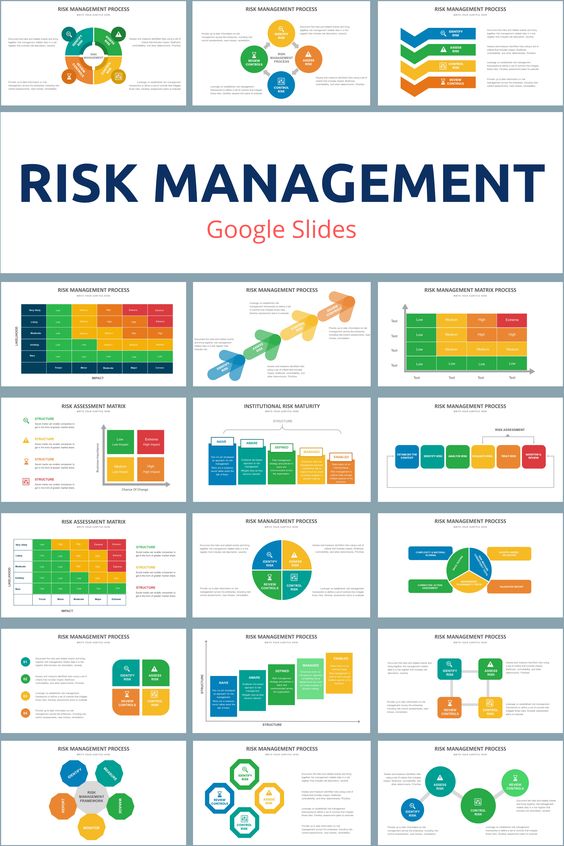

Risk management is the process of identifying, assessing, and prioritizing risks that might impact a business adversely. It is essential for every organization to have a robust risk management model in place to manage potential risks effectively.
Here are eight crucial components that make up a risk management model:
Identify Risks
The first step in risk management is to identify the potential risks that might impact your business. This includes conducting a thorough analysis of your business operations and identifying any vulnerabilities that exist.
Assess Risks
Once potential risks have been identified, the next step is to assess the likelihood and impact of each risk. This involves evaluating the probability of a risk occurring and the severity of its impact on the business.
Prioritize Risks
The third step in the risk management model is to prioritize the identified risks. This involves assessing which risks require the most urgent attention based on their likelihood and impact.
Implement Risk Controls
To mitigate the risks identified, businesses must implement effective risk controls. These controls can include policies, procedures, and processes that help to eliminate, reduce or transfer risks.
Monitor Risks
Risk management is an ongoing process. Therefore, businesses must continuously monitor the risks to ensure that risk controls are effectively implemented and any changes in the risk environment are identified.
Evaluate Controls
As part of the risk management process, businesses must evaluate the effectiveness of the risk controls periodically. This involves reassessing the likelihood and impact of the risks and assessing whether the implemented controls have reduced the risks to an acceptable level.
Review and Update the Risk Model
Another crucial component of risk management is to review and update the risk model regularly. This helps to ensure that the model reflects changes in the business environment and any new risks that may have emerged.
You might find these FREE courses useful
- Program Risk Management in ClickUp
- Risk Management in Personal Finance
- Investment Risk Management
- Market Risk Management: Frameworks & Strategies
- Credit Risk Management: Frameworks and Strategies
- FinTech Risk Management
- Implementing a Risk Management Framework
- Risk Management Specialization
Establish a Risk Management Culture
Finally, businesses should establish a risk management culture within their organization. This involves ensuring that all stakeholders understand the importance of managing risks and are actively involved in the process.
In conclusion, risk management is an essential component of any business strategy. By implementing a robust risk management model, businesses can protect themselves from potential risks and improve their overall performance.
Optimized for SEO readability, this article offers valuable insights into the components of a risk management model, providing organizations with a comprehensive guide on how to manage potential risks effectively. By following these steps, businesses can ensure that they stay protected and thrive in today’s dynamic business environment.

