
Understanding Risk Management
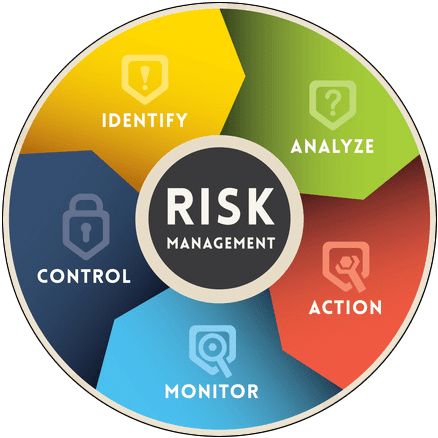
Risk management is the process of identifying, assessing, and controlling potential risks that can affect a business. IT risk management plans are designed to help organizations identify and mitigate potential risks associated with their IT systems, networks, and data.
Identifying Risks
The first step in developing an IT risk management plan is to identify potential risks. This can include risks from external sources such as hackers, natural disasters, or malicious software, as well as internal risks such as employee negligence or hardware failure. It is important to identify all potential risks in order to develop an effective plan.
Assessing Risks
Once potential risks have been identified, it is important to assess the potential impact of each risk. This can include the potential financial costs, as well as the potential impact on the organization’s reputation. This assessment can help organizations prioritize their risk management efforts.
Developing Strategies
Once risks have been identified and assessed, the next step is to develop strategies to mitigate the risks. This can include developing policies and procedures to reduce the potential for risk, as well as implementing security measures such as firewalls and encryption.
Monitoring and Review
Once the strategies have been implemented, it is important to monitor and review the effectiveness of the strategies. This can include regular audits and reviews of the IT systems and data, as well as regular security testing.
Communication
It is important for organizations to communicate the risk management plan to all stakeholders. This can include employees, customers, and vendors. This communication can help ensure that everyone is aware of the potential risks and the steps being taken to mitigate them.
Training
It is also important for organizations to provide training to employees on the risk management plan. This can help ensure that employees understand the potential risks and the steps they can take to protect the organization’s IT systems and data.
You might find these FREE courses useful
- Program Risk Management in ClickUp
- Risk Management in Personal Finance
- Investment Risk Management
- Market Risk Management: Frameworks & Strategies
- Credit Risk Management: Frameworks and Strategies
- FinTech Risk Management
- Implementing a Risk Management Framework
- Risk Management Specialization
Continuous Improvement
Finally, it is important to regularly review and update the risk management plan. This can help ensure that the plan remains effective and that the organization is able to respond quickly to any changes in the environment.

