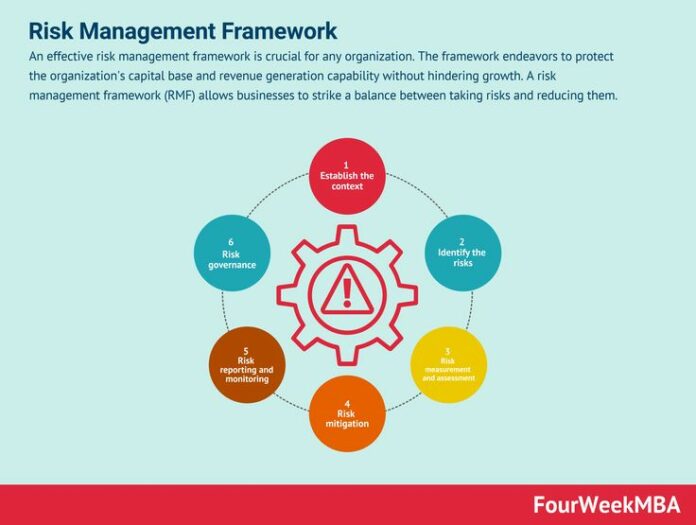

Step 1: Identify Potential Risks
The first step in any risk management process is to identify potential risks. This involves looking at the environment, processes, and activities of an organization and identifying potential risks. This can be done through brainstorming, surveys, interviews, or other methods. Once potential risks are identified, they can be assessed and prioritized.
Step 2: Assess and Prioritize Risks
Once potential risks are identified, they need to be assessed and prioritized. This involves looking at the likelihood of the risk occurring and the potential impact it could have. This can be done through qualitative or quantitative methods. The risks should then be prioritized based on the likelihood and impact.
Step 3: Develop Risk Mitigation Strategies
Once the risks have been identified and prioritized, the next step is to develop strategies to mitigate them. This can involve implementing controls to reduce the likelihood of the risk occurring or reducing the impact if it does occur. The strategies should be tailored to the specific risk and should be cost-effective and practical.
Step 4: Implement Risk Mitigation Strategies
Once the strategies have been developed, they need to be implemented. This involves ensuring that the appropriate resources are allocated and that the strategies are monitored and evaluated.
Step 5: Monitor and Evaluate Risk Mitigation Strategies
The risk mitigation strategies should be monitored and evaluated to ensure they are effective. This involves looking at the results of the strategies and making adjustments if necessary.
Step 6: Communicate Risk Mitigation Strategies
The risk mitigation strategies should be communicated to all relevant stakeholders. This ensures that everyone is aware of the strategies and can take appropriate actions if necessary.
Step 7: Update Risk Management Process
The risk management process should be regularly updated to ensure it is effective. This involves looking at the results of the strategies and making adjustments if necessary.
You might find these FREE courses useful
- Program Risk Management in ClickUp
- Risk Management in Personal Finance
- Investment Risk Management
- Market Risk Management: Frameworks & Strategies
- Credit Risk Management: Frameworks and Strategies
- FinTech Risk Management
- Implementing a Risk Management Framework
- Risk Management Specialization
Step 8: Review Risk Management Process
The risk management process should be reviewed regularly to ensure it is effective. This involves looking at the results of the strategies and making adjustments if necessary.

